
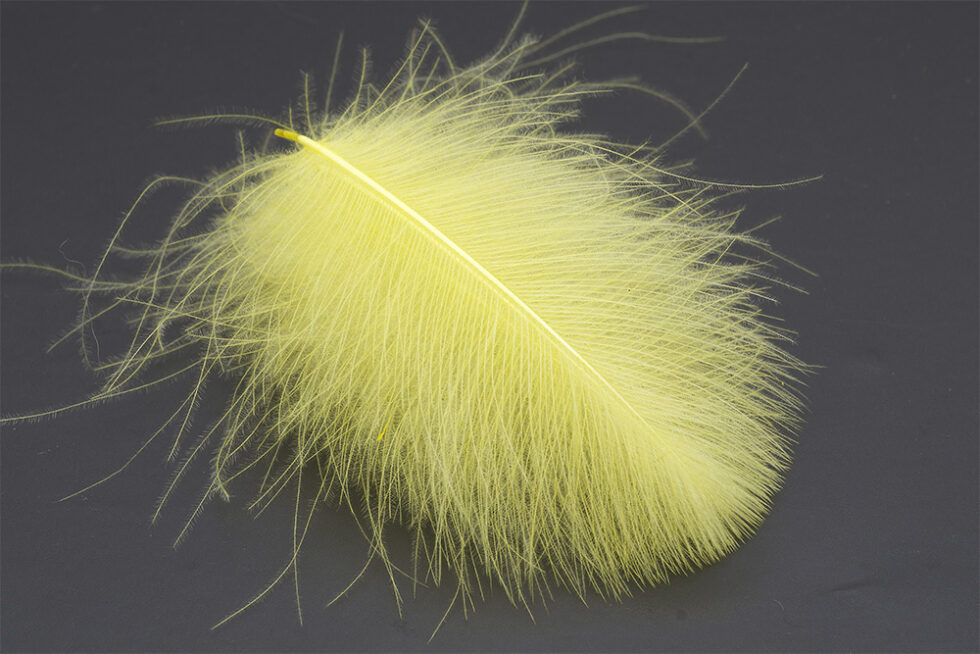
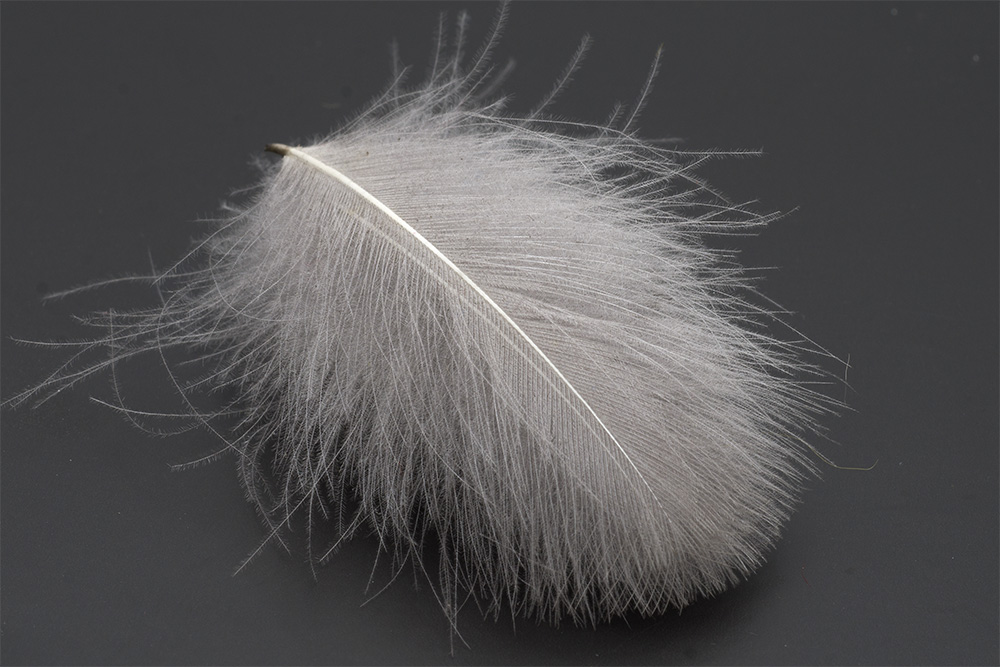
In the last few weeks, we have been very busy in the workshop. We received a new batch of white CDC feathers and, because many of our popular colors were out of stock, we had to focus most of our time on CDC dyeing and dubbing production.
This is a good moment to show you what happens behind the scenes at Trout Line.
Many fly tiers know our CDC feathers, but not everyone knows that we do not buy ready-packed CDC and simply resell it. We work with selected suppliers, sort the feathers, clean them, dye them, dry them slowly and then select them again before packing.
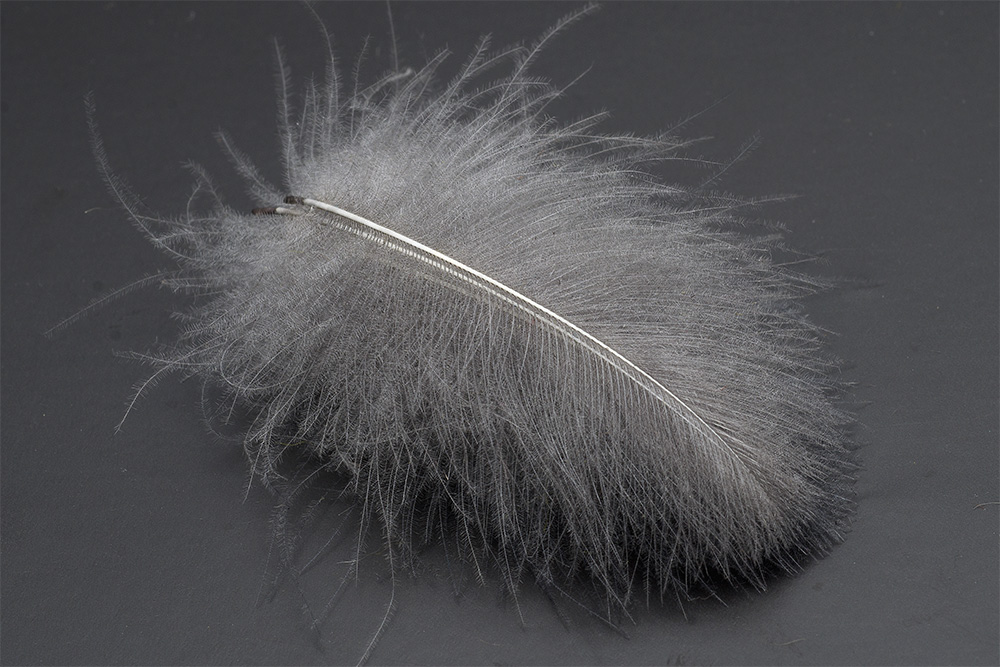
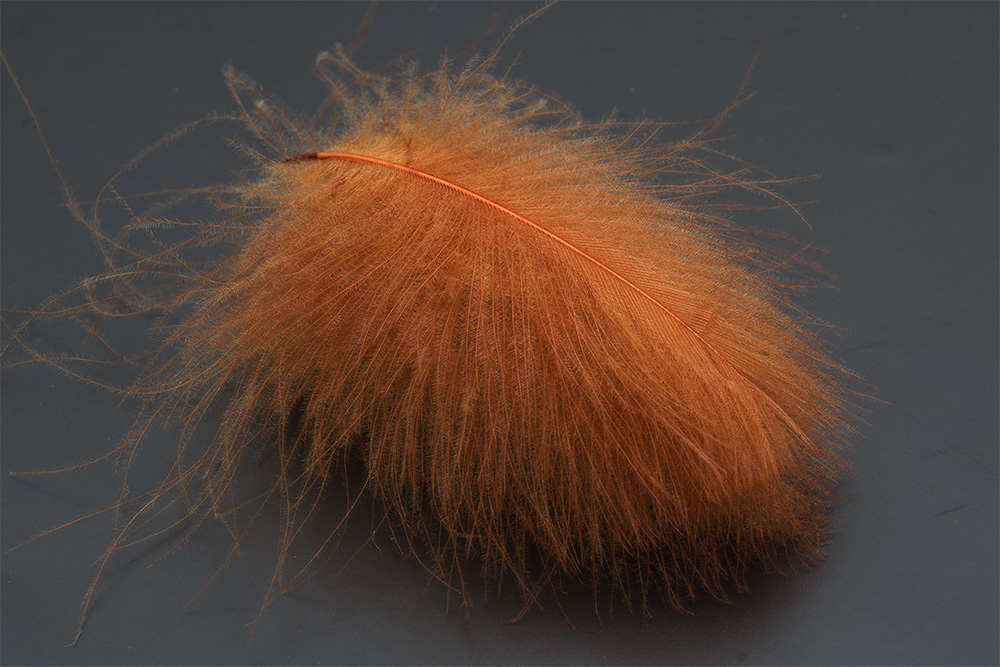
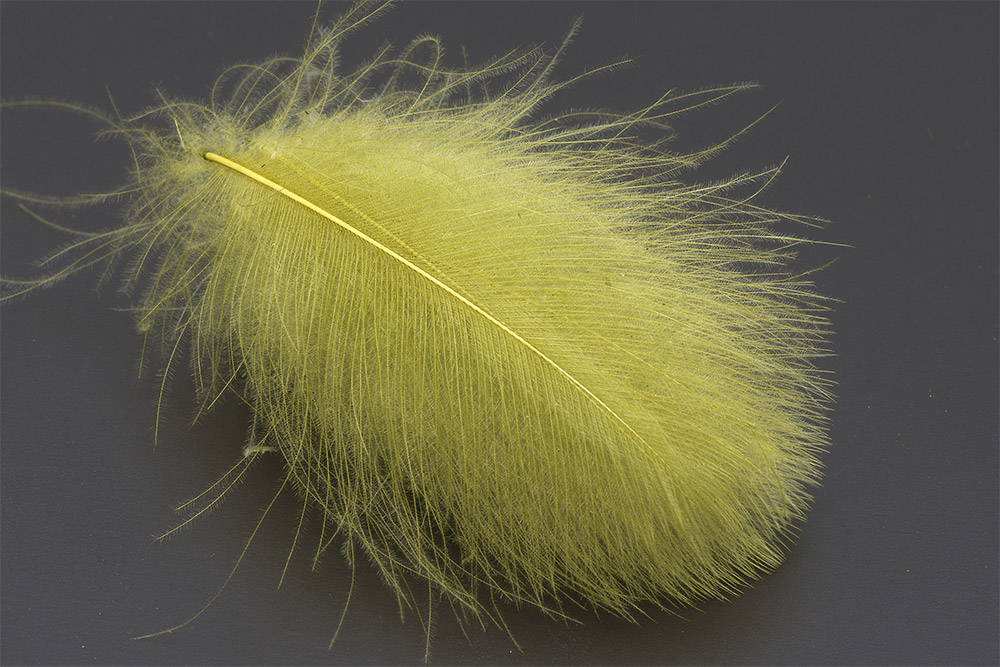
Everything is done manually, and every batch passes through our hands several times.
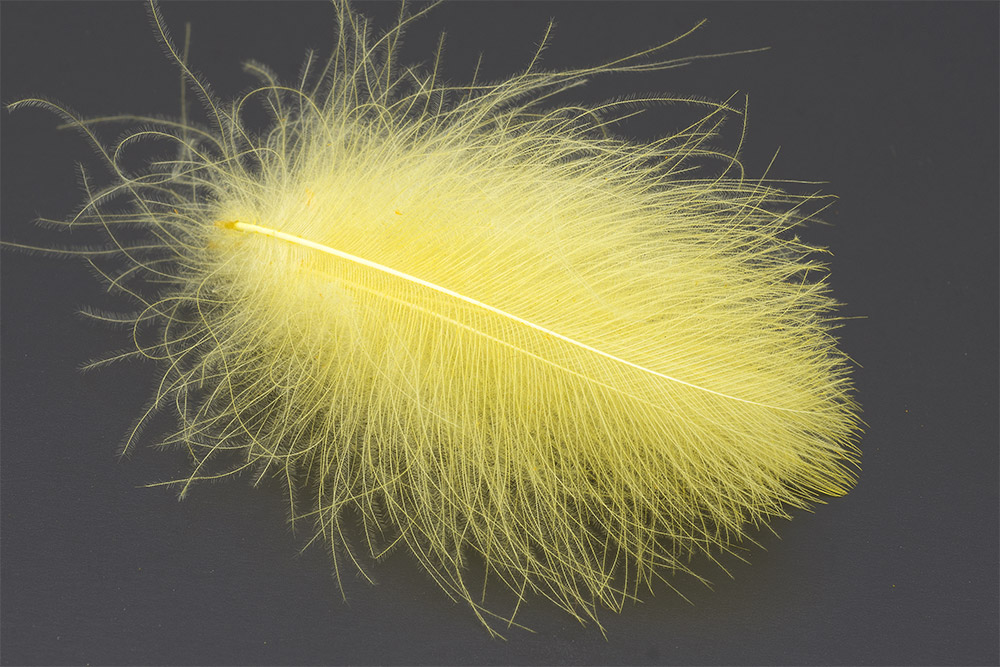
Good CDC is not a cheap material, and there is a reason for that. From one duck, only around 15 to 20 feathers are suitable for premium fly tying use, and one CDC feather weighs approximately 0.008 grams. When you consider that one gram contains roughly 140–150 feathers, the amount of selection and manual work behind each pack becomes easier to understand.
For our dyed CDC, we use a cold dye process instead of acid dye. CDC is a delicate material, and its value comes from the natural structure of the feather, the softness of the fibres, the volume and the way it behaves on the water.
A faster dyeing process is possible, but we prefer a slower method that helps preserve these qualities as much as possible.
The entire process takes around 7 days.
Step 1 – Preparing the Feathers
The CDC is first soaked in warm water at around 30°C and gently massaged by hand so the water can penetrate the feathers.
After one day of soaking, the feathers are rinsed and placed back in warm water, this time with salt added. The temperature remains around 30°C.
This stage prepares the feathers for dyeing and helps the color develop more evenly later in the process.
Step 2 – The Dye Bath
On the third day, the feathers are rinsed well and then covered with plenty of warm water.
Cold dye is added, and the bath is gently heated until it reaches around 30–40°C, the temperature needed to help fix the dye.
The feathers remain in the dye bath for two days.
From time to time, they are gently stirred to make sure the dye is distributed evenly and the color develops uniformly throughout the batch.
Step 3 – Rinsing the Feathers
On the fifth day, the feathers are gently rinsed in a bath of warm salt water.
This process is repeated throughout the day to remove excess dye while preserving the color already fixed in the feathers.
Step 4 – Slow Drying
After rinsing, the feathers are strained and left to dry slowly.
This takes one day and one night, sometimes up to two days, depending on temperature and humidity.
During drying, the feathers are gently mixed from time to time to help them regain their natural texture and volume.
Everything you see in the video is about 50 grams of CDC. Even a small batch like this means thousands of individual feathers passing through the process.
It takes time, space and patience, but this is how we prefer to prepare our dyed CDC.
From raw white CDC to the final pack, every batch is selected, dyed, dried and checked by hand before it reaches your tying desk.
Leave a Reply